Initializing
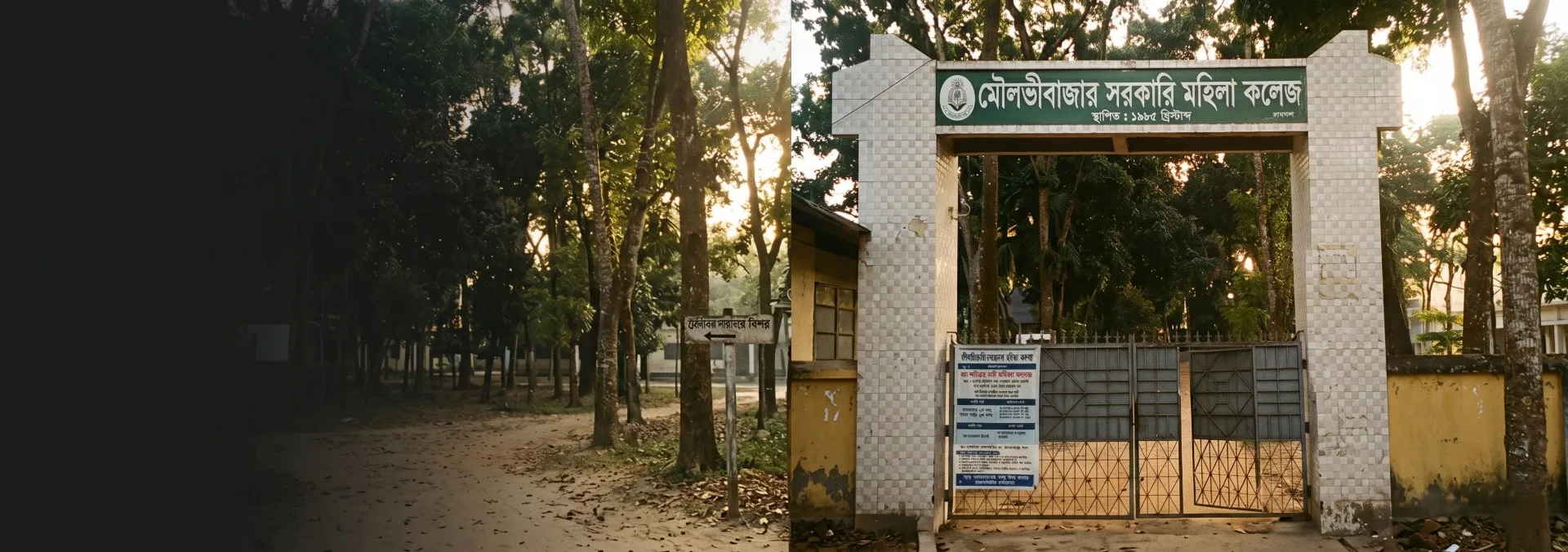
A Legacy Built Over Time
Tracing our roots and the foundation of excellence.
Introduction Moulvibazar Government Women's College (MBGWC), located in Moulvibazar Sadar, Bangladesh, stands as a pivotal institution for female higher education in the Sylhet Division. Established in 1985 through local enthusiasts' initiative, it began operations on March 17 at Hafiza Khatun Balika High School's temporary site. The foundation stone was laid February 18 on 3.79 acres of government land near the District Judge's Court by administrator Mohammad Shakir Uddin Ahmad. Recognized by Comilla Education Board in 1987, its permanent campus opened January 14 that year, inaugurated by Chittagong Division Commissioner Ali Haider Khan, who donated 900,000 taka. Nationalized in 1997, it expanded to Bachelor's programs from 1992–93 under Chittagong University. Today, serving over 10,000 students, MBGWC symbolizes empowerment in women's education.
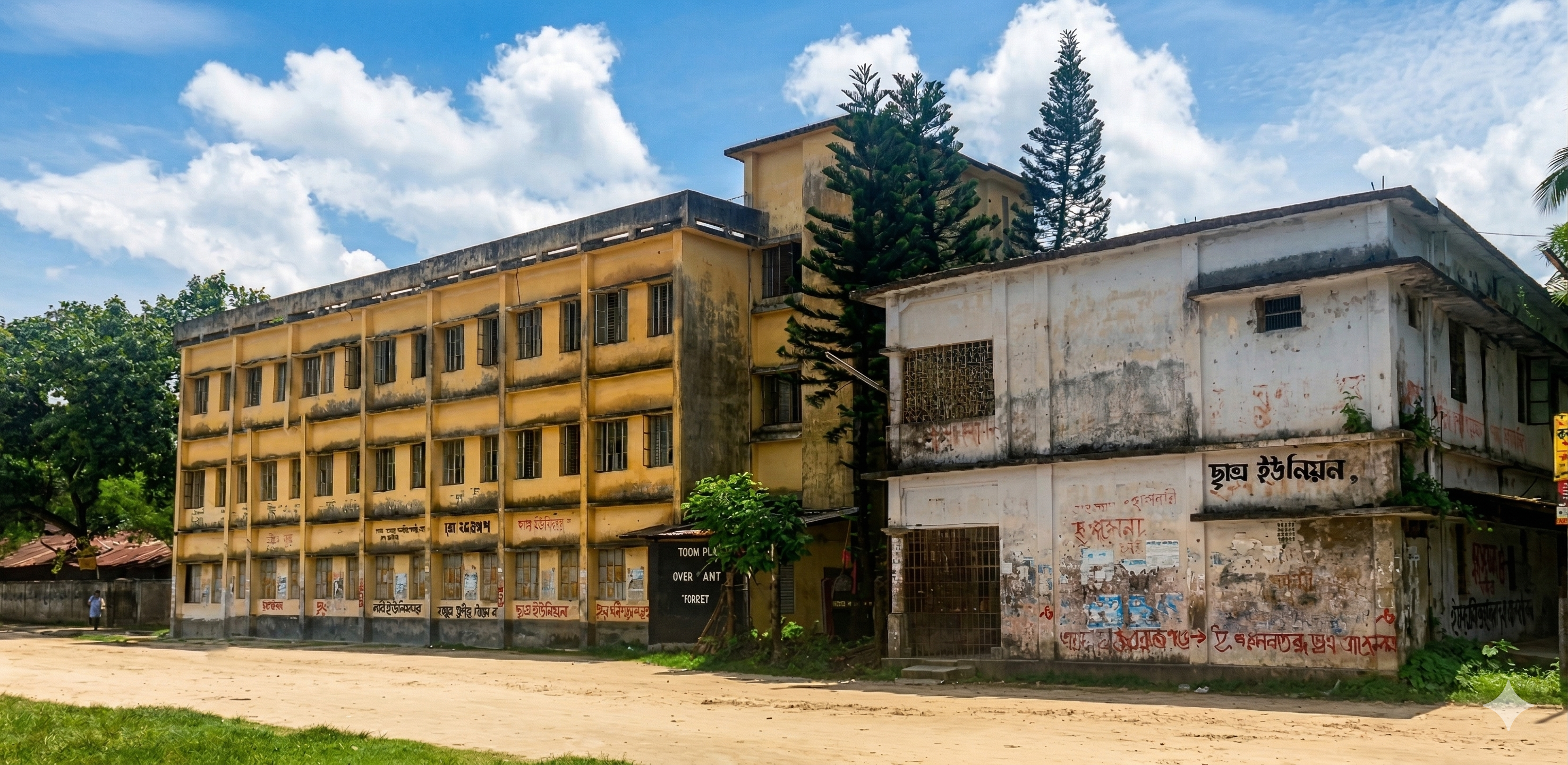
The early phase of MBGWC reflects grassroots commitment to women's learning amid regional challenges. On February 10, 1985, dedicated locals convened to formalize the college, launching HSC classes swiftly at the temporary venue. By July 1, 1987, it earned Comilla Board affiliation, solidifying its academic footing. The permanent building's inauguration marked a milestone, with Commissioner Khan's generous funding enabling infrastructure growth. From modest beginnings, the institution introduced Bachelor (Pass) courses in Arts and Social Sciences during 1992–93, affiliated with Chittagong University. These steps laid foundational programs, fostering enrollment and faculty development. Steady progress through the 1990s positioned MBGWC for national integration, highlighting community resilience and administrative support in advancing female scholarship in Moulvibazar.
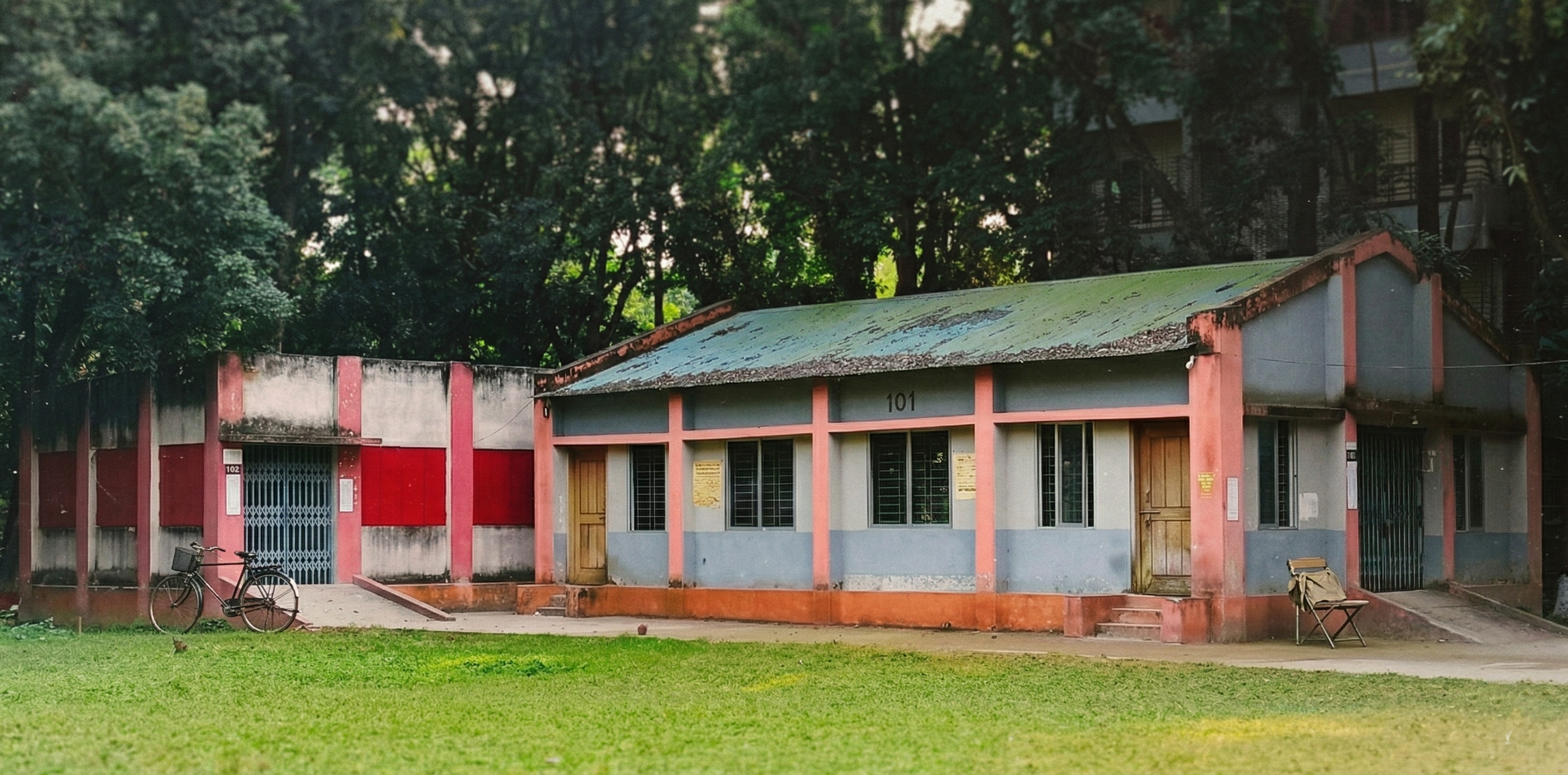
MBGWC's legacy endures as a beacon of gender-inclusive education, evolving from 1985's humble start to a hub with Honors in nine subjects like Bengali, Political Science, Sociology, English, Economics, History, Islamic History & Culture, Accounting, and Management since 2012–13. Nationalization in 1997 spurred expansion, boosting enrollment beyond 10,000 across HSC, Bachelor's, and Honors levels. Its contributions to regional empowerment are evident in alumni success and community impact. Looking ahead, MBGWC eyes enhanced digital infrastructure, research centers, and STEM integration to meet 21st-century demands. Sustained government backing promises further growth, ensuring its role in Bangladesh's educational landscape. This trajectory cements a lasting legacy of opportunity, inspiring future generations of women leaders.
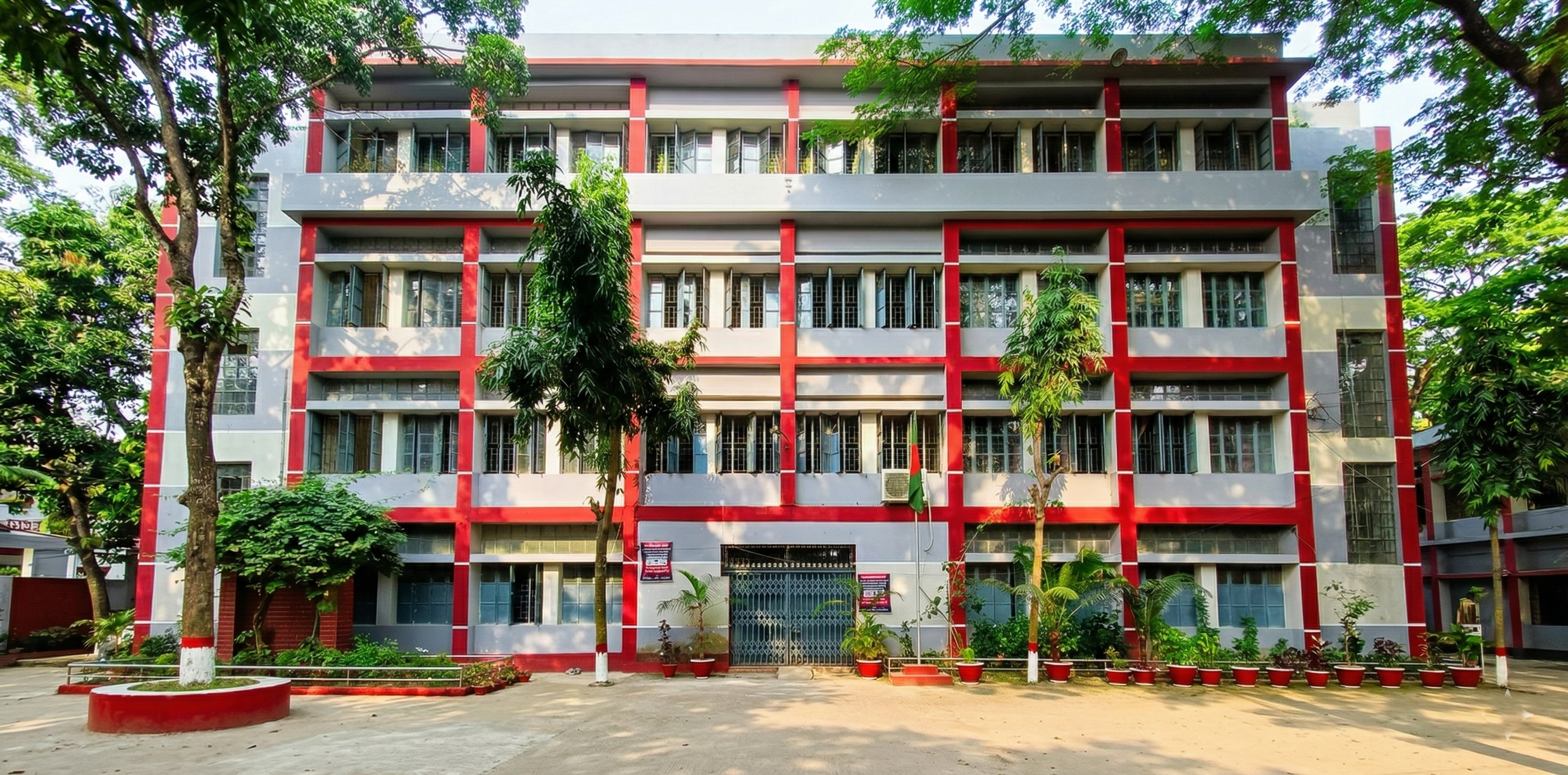
Milestones of Excellence
Celebrating our journey from humble beginnings to becoming a leading educational institution, each milestone has contributed to our vision of providing transformative education.

College founded by locals
Permanent campus inaugurated.
Nationalized under government.
Stories of Excellence
Our community’s achievements that inspire generations.

Our alumni have gone on to excel in diverse fields, from business and technology to arts and community service. They lead with purpose, contributing meaningfully to their industries and societies.

Our students consistently set benchmarks in academic excellence, earning top honors and awards in national and international competitions.

Through various outreach programs and initiatives, our students and faculty have made lasting contributions to the community, fostering growth and positive change.